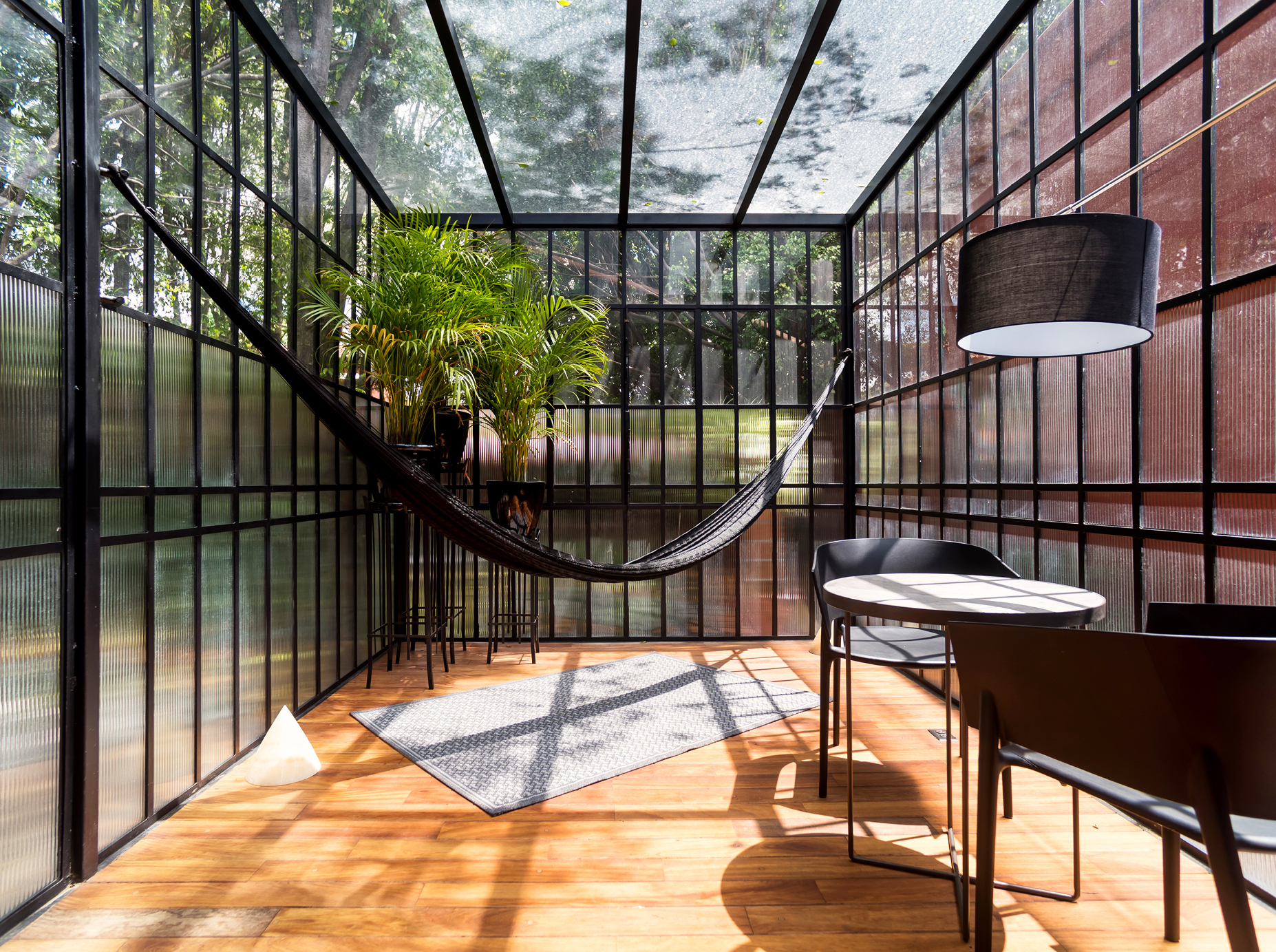
Bringing Natural Light and Comfort into Everyday Living
A sunroom is a unique living space that bridges the indoors and the outdoors, allowing homeowners to enjoy natural light and surrounding views while remaining protected from weather conditions. Designed to feel open, bright, and inviting, a sunroom enhances both the functionality and atmosphere of a home by creating a space that promotes relaxation, connection, and comfort.
Why Adding a Sunroom Makes a Meaningful Difference
Sunrooms are often described as the most uplifting spaces in a home and for good reason. Abundant natural light has a positive impact on mood, energy levels, and overall well-being. A well-designed sunroom offers a peaceful retreat where homeowners can read, relax, entertain, or simply enjoy daylight throughout the year.
Unlike traditional living areas, a sunroom creates a sense of openness without sacrificing comfort. It allows homeowners to feel closer to nature while maintaining privacy and protection.
What Homeowners Gain from a Sunroom
A thoughtfully planned sunroom delivers several benefits:
- Increased usable living space
- Enhanced natural light throughout the home
- A calm, relaxing environment for daily enjoyment
- Improved connection between indoor and outdoor areas
- Added visual appeal and home value
Sunrooms typically feature expansive windows, durable flooring, well-insulated framing, and climate-conscious design. When executed properly, the space feels comfortable across seasons and integrates naturally with the rest of the home.
Key Design Considerations for a Successful Sunroom
Creating a sunroom that is both beautiful and functional requires careful planning. Important factors include:
- Window Placement and Quality
Large, energy-efficient windows maximize daylight while maintaining indoor comfort. - Temperature Control
Proper insulation, ventilation, and integration with existing HVAC systems help regulate heat and airflow. - Flooring Selection
Sunroom flooring should withstand temperature changes and sun exposure while remaining visually cohesive. - Structural Integration
The sunroom should blend seamlessly with the home’s architecture and interior layout. - Purpose-Driven Design
Whether used as a lounge, dining space, or relaxation area, the design should support the intended use.
A well-executed sunroom feels intentional – not temporary – and becomes a natural extension of everyday living.
Creating a Space That Feels Open Yet Comfortable
The most successful sunrooms balance light, structure, and comfort. Soft finishes, thoughtful layouts, and durable materials ensure the space remains enjoyable year-round. With the right approach, a sunroom becomes one of the most loved and frequently used areas of the home.
SONART — Expertise in Sunroom Design and Construction
SONART brings extensive experience to sunroom projects, delivering quality craftsmanship, dependable timelines, and attention to detail. Known for clear communication and customer-focused service, SONART ensures each sunroom is built to enhance comfort, durability, and long-term enjoyment.
Sunroom – FAQ
Q1: Can a sunroom be used year-round?
Yes. With proper insulation, windows, and climate planning, sunrooms can be comfortable in all seasons.
Q2: Does adding a sunroom increase home value?
In many cases, yes. Sunrooms add attractive living space that appeals to buyers.
Q3: How is a sunroom different from a regular room addition?
Sunrooms emphasize natural light and outdoor connection, often featuring more windows and open design.
Q4: What flooring works best in a sunroom?
Durable flooring that handles temperature changes and sunlight exposure is recommended.
Q5: Can a sunroom match the style of the existing home?
Absolutely. With proper design, a sunroom can blend seamlessly with the home’s architecture.