Strength, Durability, and Versatility in Modern Construction
Concrete is one of the most fundamental and versatile materials in construction. Its strength, durability, and adaptability make it essential for a wide range of residential projects – from foundations and structural elements to outdoor surfaces and modern design features. When planned and executed properly, concrete provides long-lasting performance while supporting both function and aesthetics.
Why Concrete Is a Critical Construction Material
Concrete forms the backbone of many parts of a home. It supports structural stability, resists environmental stress, and provides a solid base for nearly every other building component. Whether used in foundations, slabs, walkways, decks, or structural reinforcements, concrete ensures that the home remains safe, stable, and durable over time.
Modern concrete applications go beyond basic structural use. Today, concrete is also valued for its clean appearance, adaptability, and compatibility with contemporary design.
What Homeowners Gain from Quality Concrete Work
Professional concrete work delivers several important benefits:
- Strong structural support for the home
- Long-term durability with minimal maintenance
- Resistance to moisture, weather, and wear
- Design flexibility for both interior and exterior use
- Increased property value and structural reliability
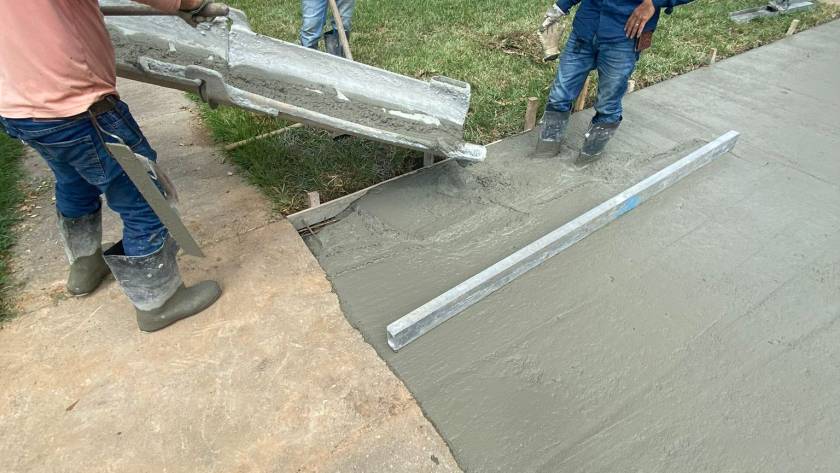
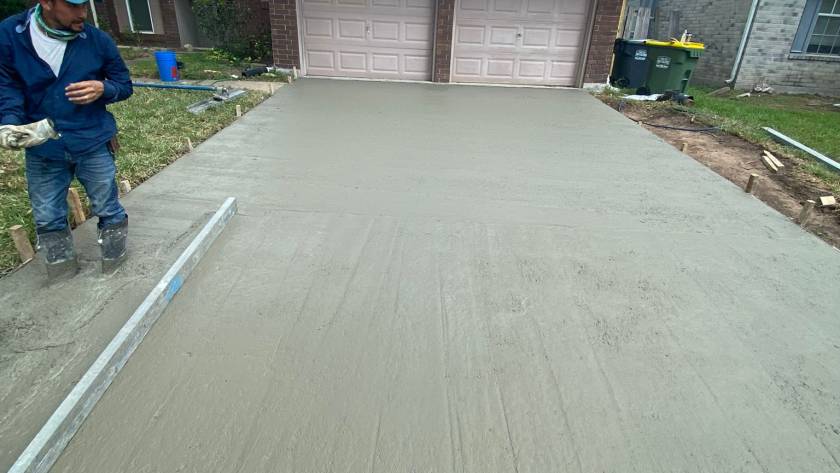
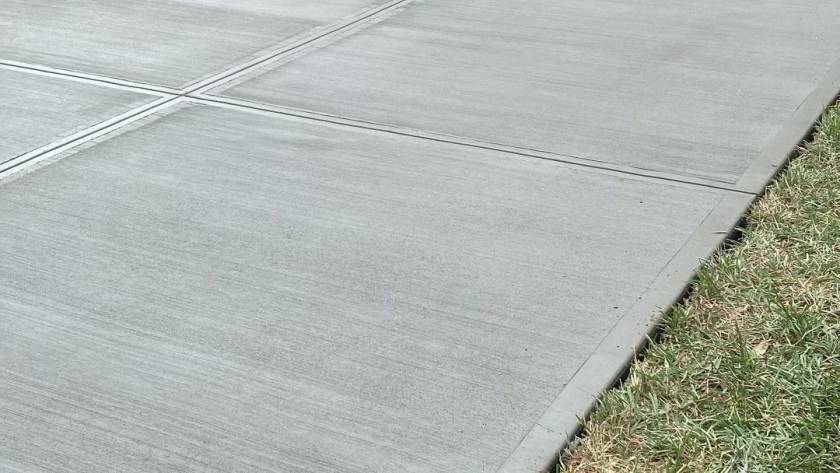
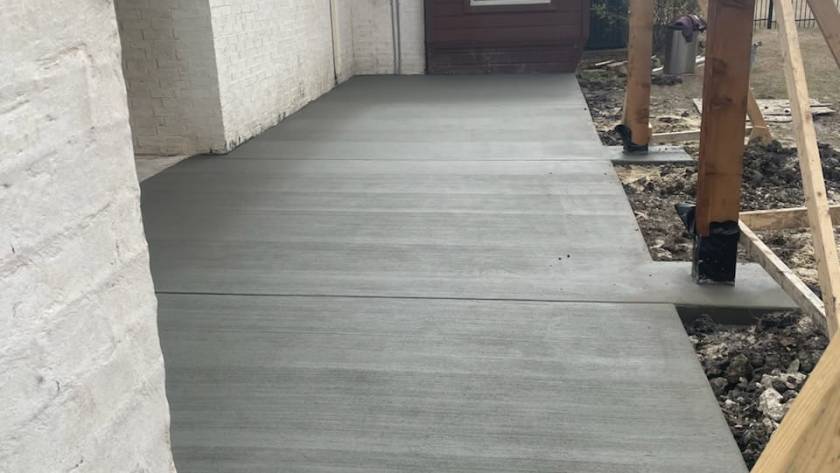
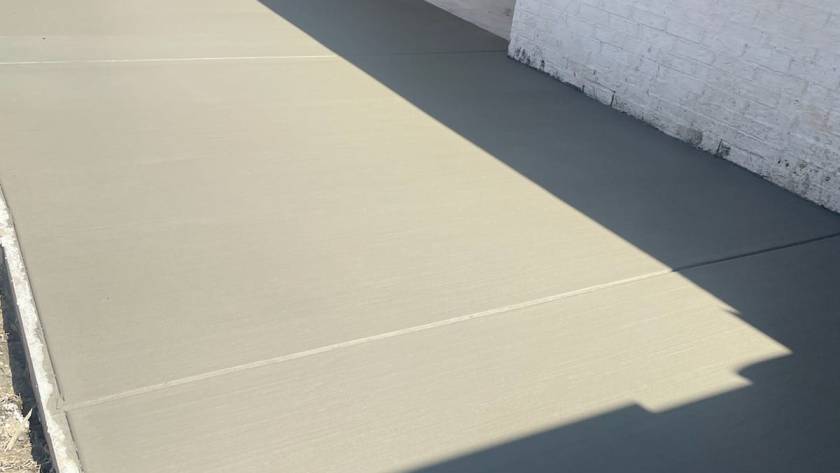
Concrete is often used in foundations, basement floors, outdoor patios, walkways, and as a base for flooring systems. When poured and finished correctly, it provides a stable, level surface that supports all other construction layers above it.
Key Considerations for Successful Concrete Projects
Concrete work requires precision, planning, and expertise. Important factors include:
- Proper Preparation
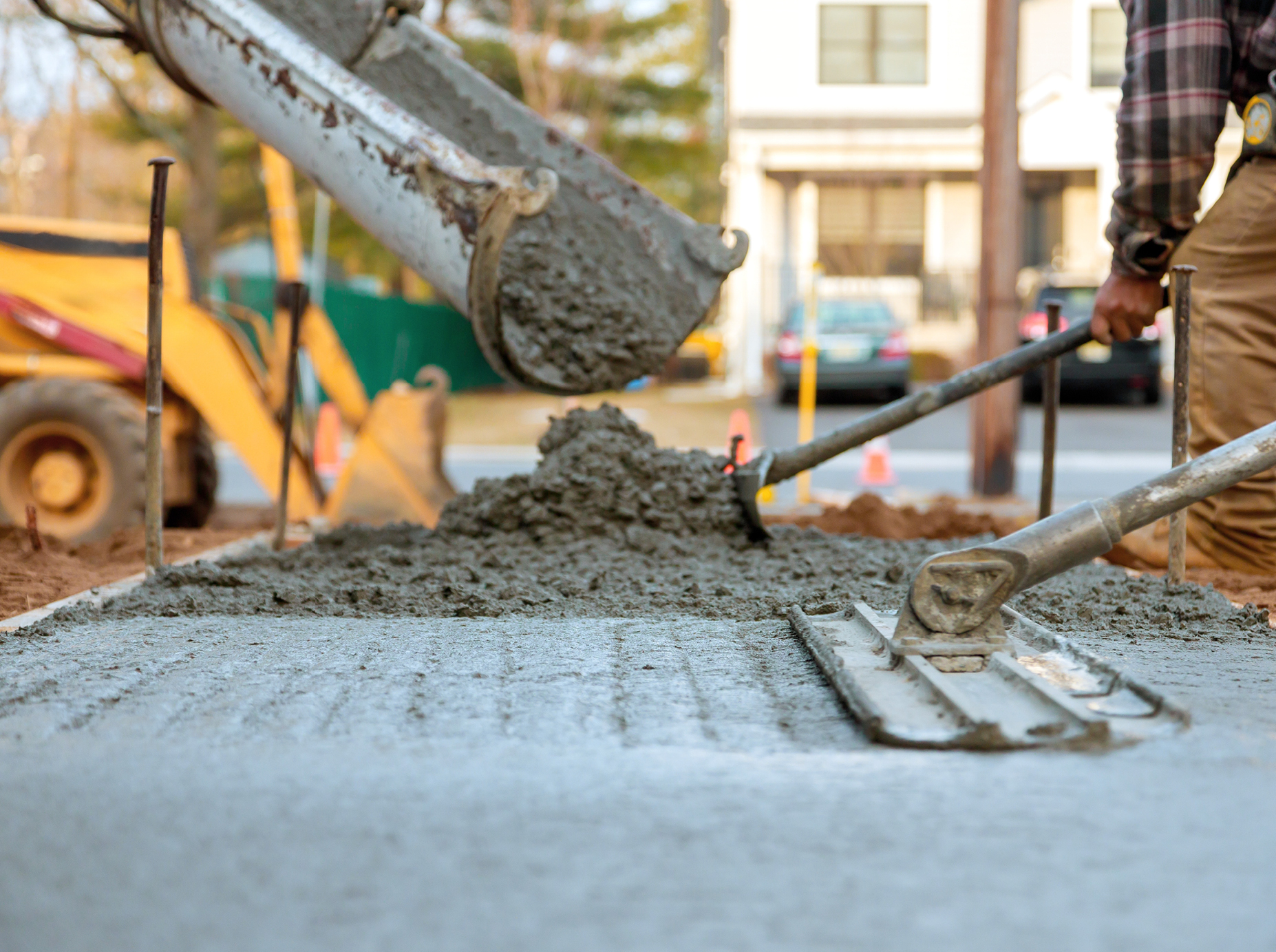
Ground preparation and formwork are critical to prevent cracking or settling. - Correct Mixing and Pouring
The right concrete mix ensures strength, longevity, and resistance to environmental stress. - Reinforcement and Support
Steel reinforcement or structural support increases load capacity and durability. - Curing Process
Proper curing is essential to achieve maximum strength and prevent surface defects. - Integration with Other Structures
Concrete must align seamlessly with walls, roof structures, and adjacent surfaces.
Attention to these details ensures that concrete elements perform reliably for decades.
Concrete as a Foundation for Modern Design
Beyond structure, concrete contributes to modern design flexibility. It can support clean architectural lines, smooth transitions between indoor and outdoor spaces, and durable surfaces that complement a wide range of finishes. When combined with thoughtful planning, concrete enhances both the appearance and functionality of a home.
SONART — Proven Expertise in Concrete Construction
SONART brings extensive experience to concrete projects of all sizes. Known for precision, quality workmanship, and dependable timelines, SONART ensures that every concrete element is built to perform, support, and last. Their commitment to high standards and customer satisfaction makes them a trusted partner for durable construction solutions.
Concrete – FAQ
Q1: Why is concrete important in residential construction?
Concrete provides essential structural support, durability, and long-term stability.
Q2: Can concrete be used for both indoor and outdoor projects?
Yes. Concrete is widely used for foundations, floors, patios, and walkways.
Q3: Does concrete require a lot of maintenance?
Properly installed concrete typically requires minimal maintenance.
Q4: What causes concrete to crack?
Cracking can result from improper preparation, curing, or environmental stress.
Q5: Is professional concrete work necessary?
Yes. Skilled planning and execution are critical for strength, durability, and longevity.